07 — Product design
喵趣 生活产品设计
2025
- Client
- Self-initiated
- Role
- Product Design
- Year
- 2025
- Category
- Product design
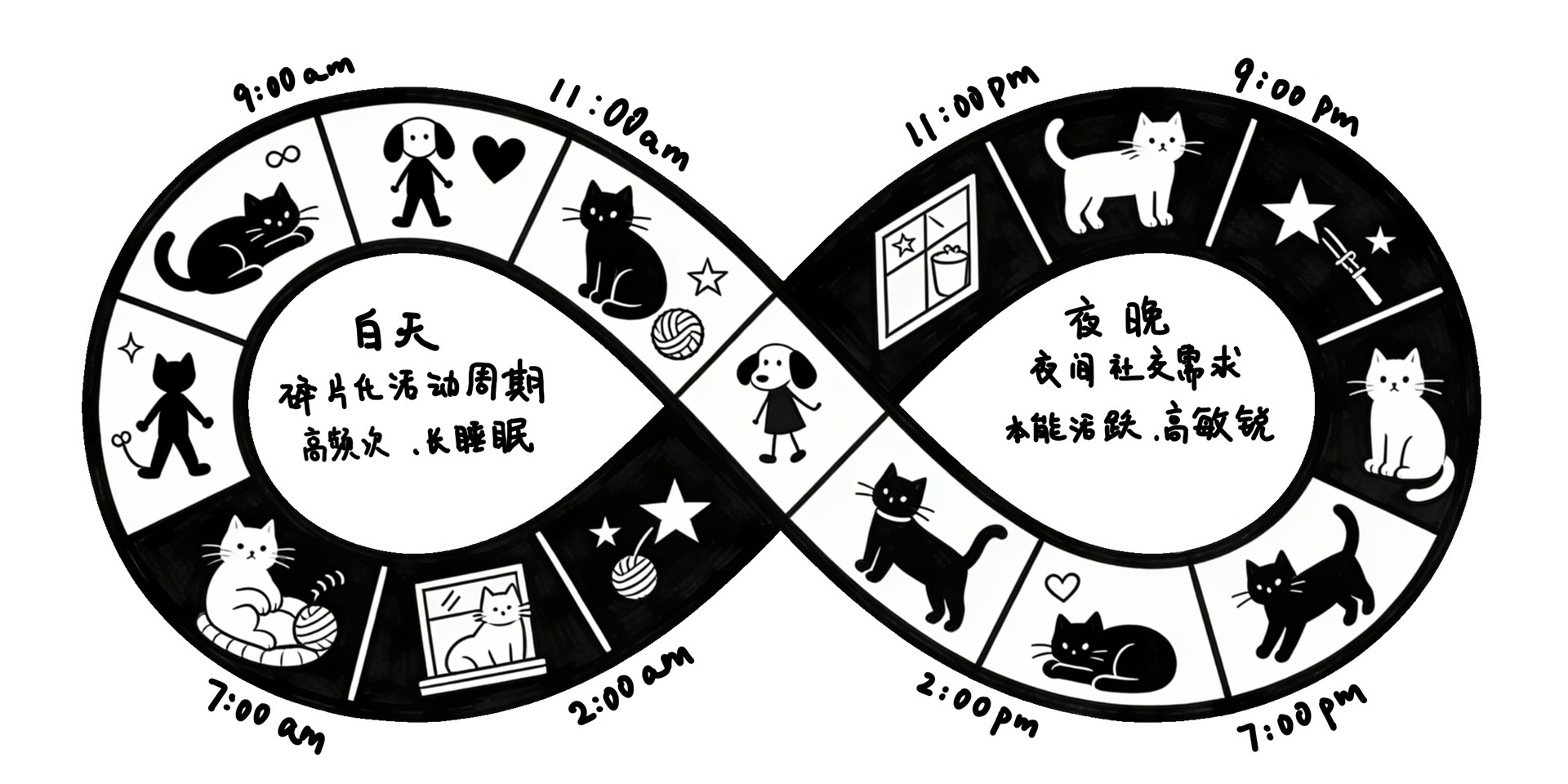
Cat behavior research
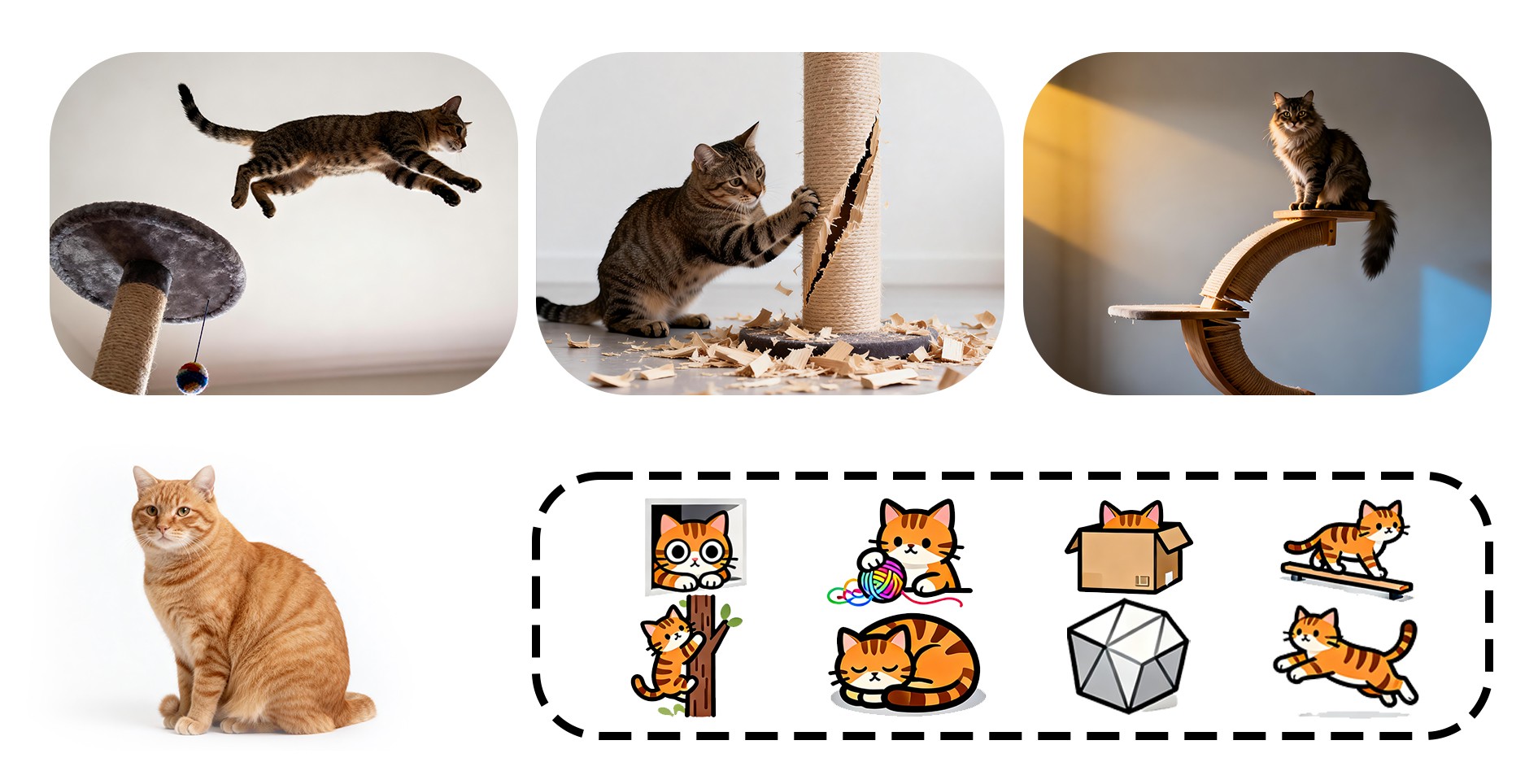
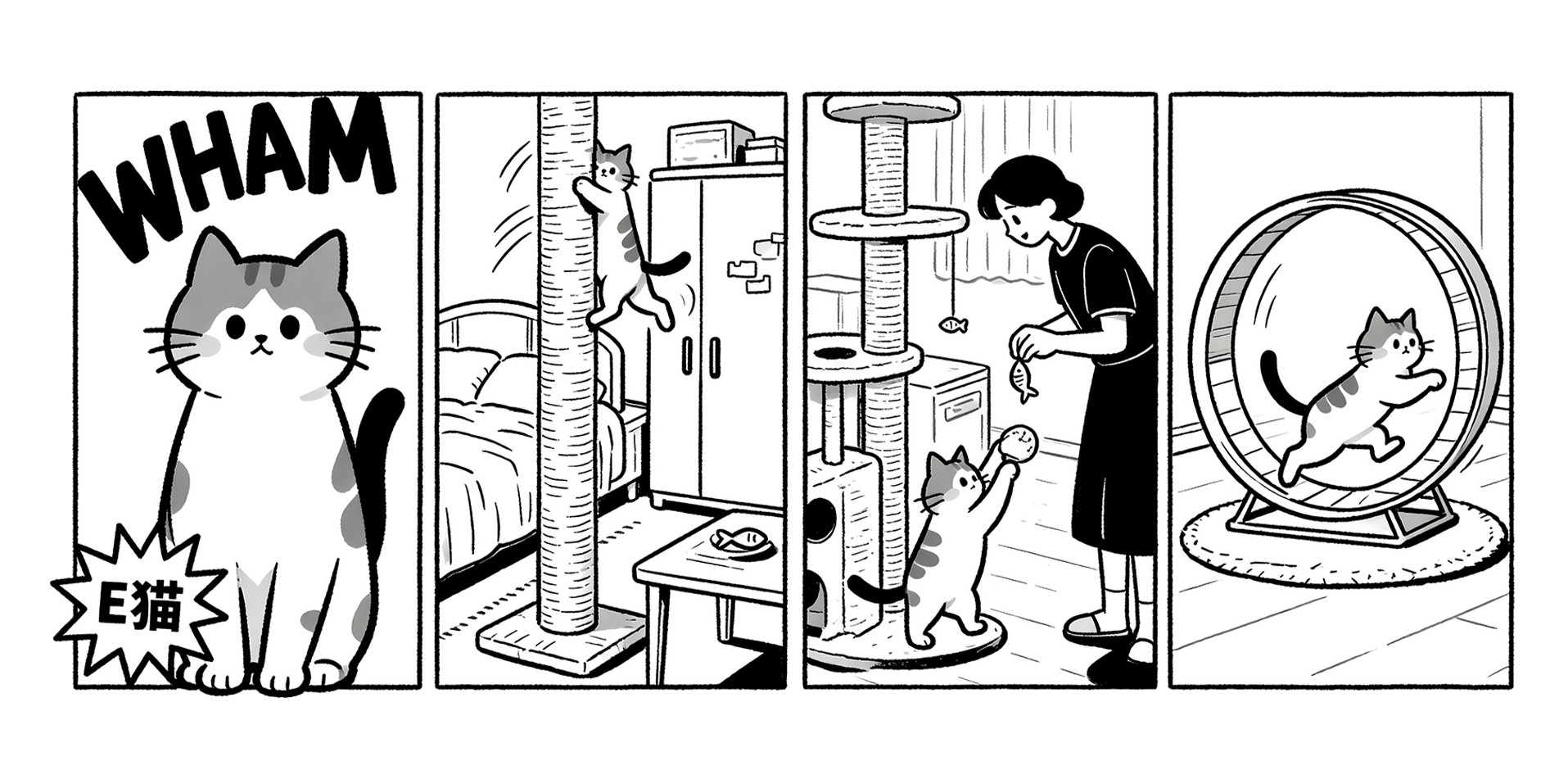
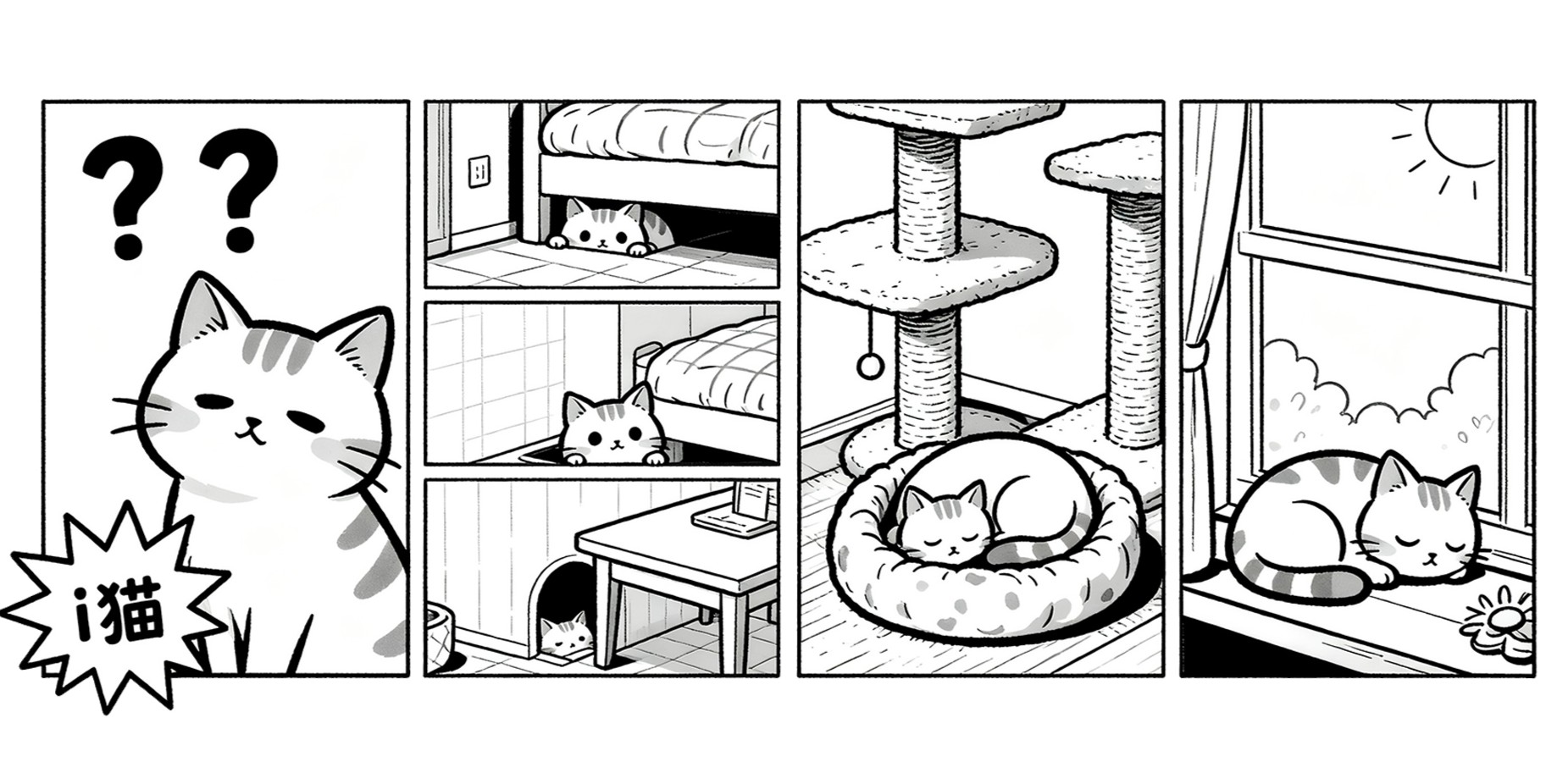
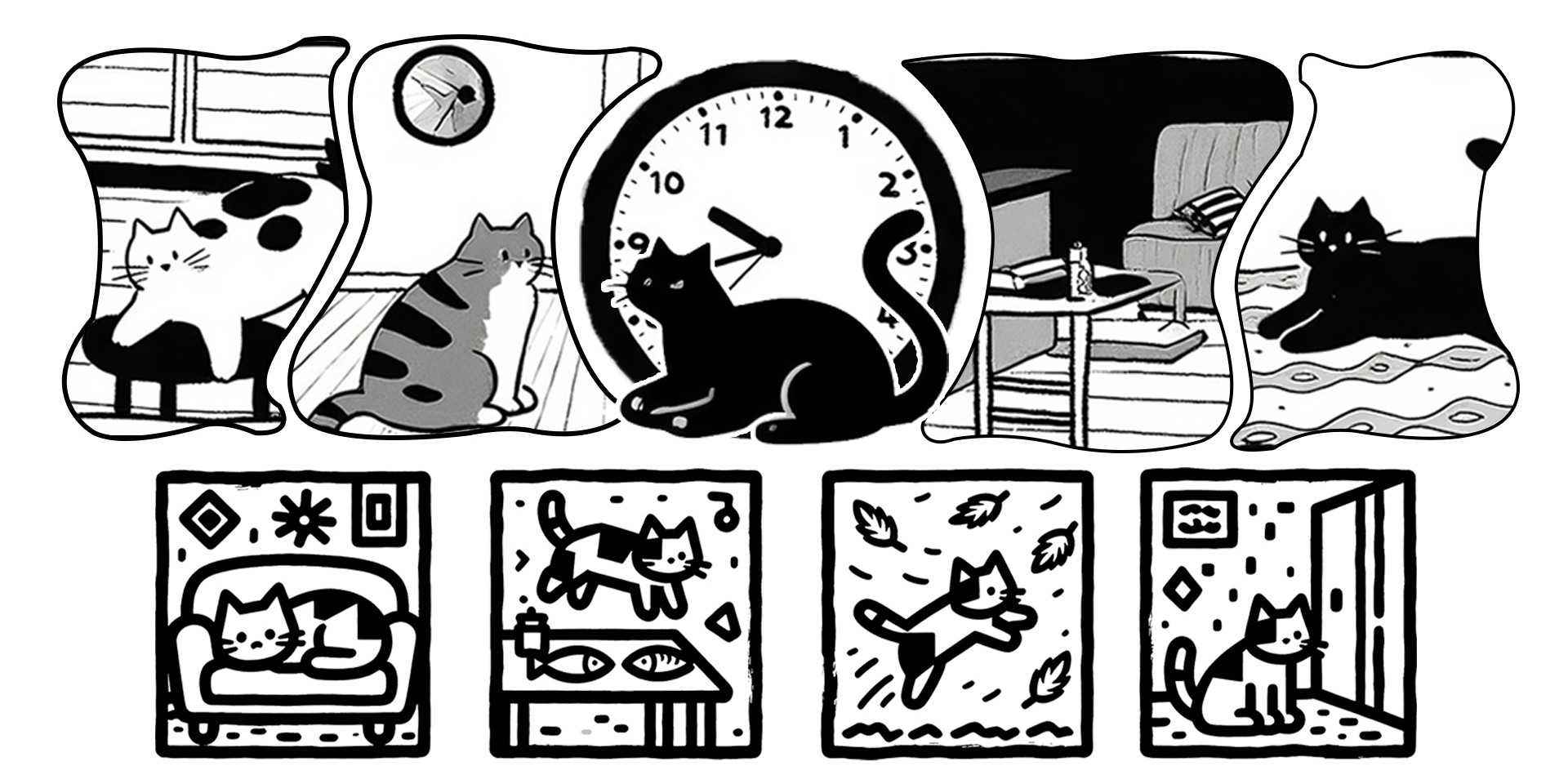
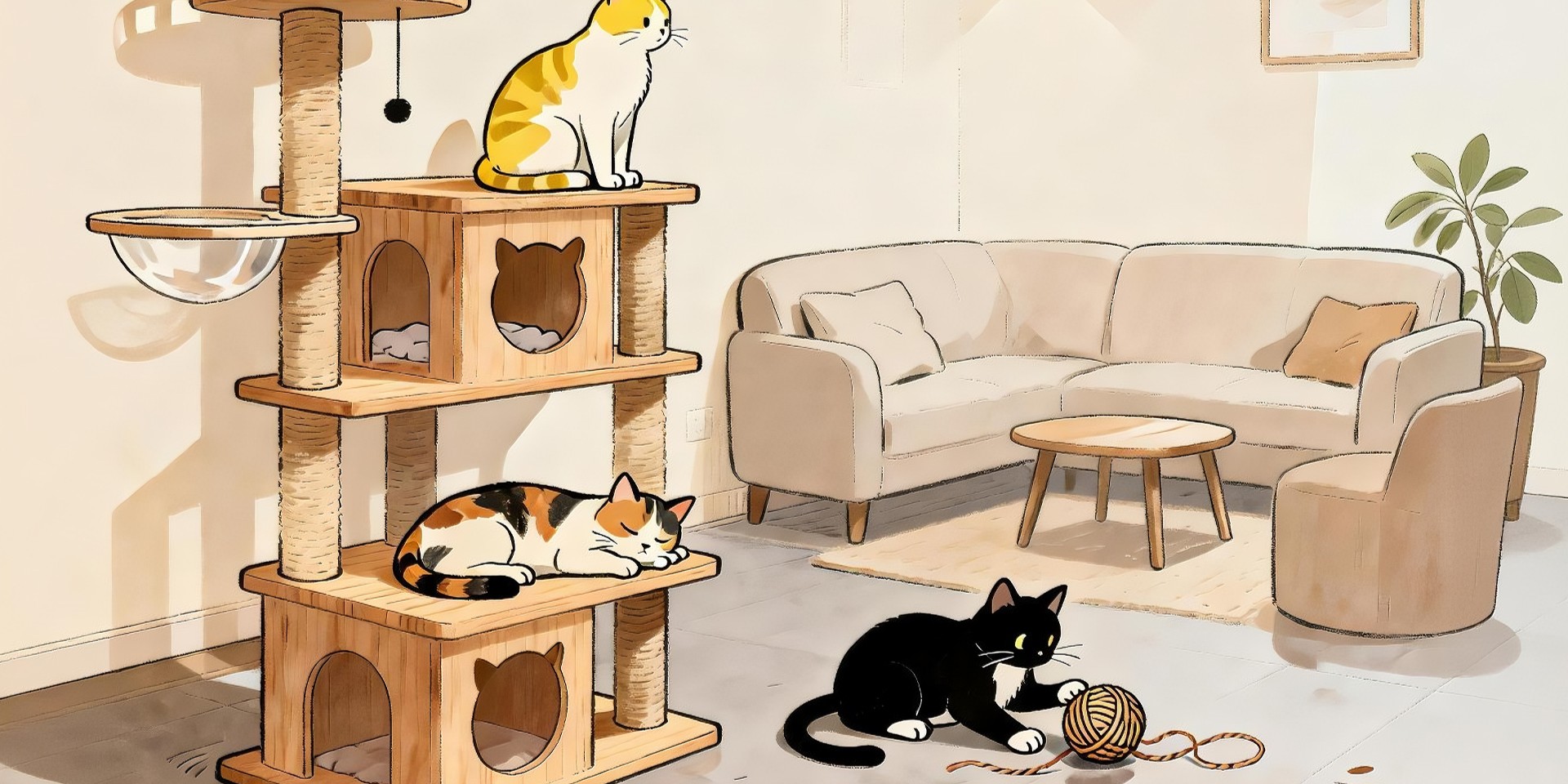
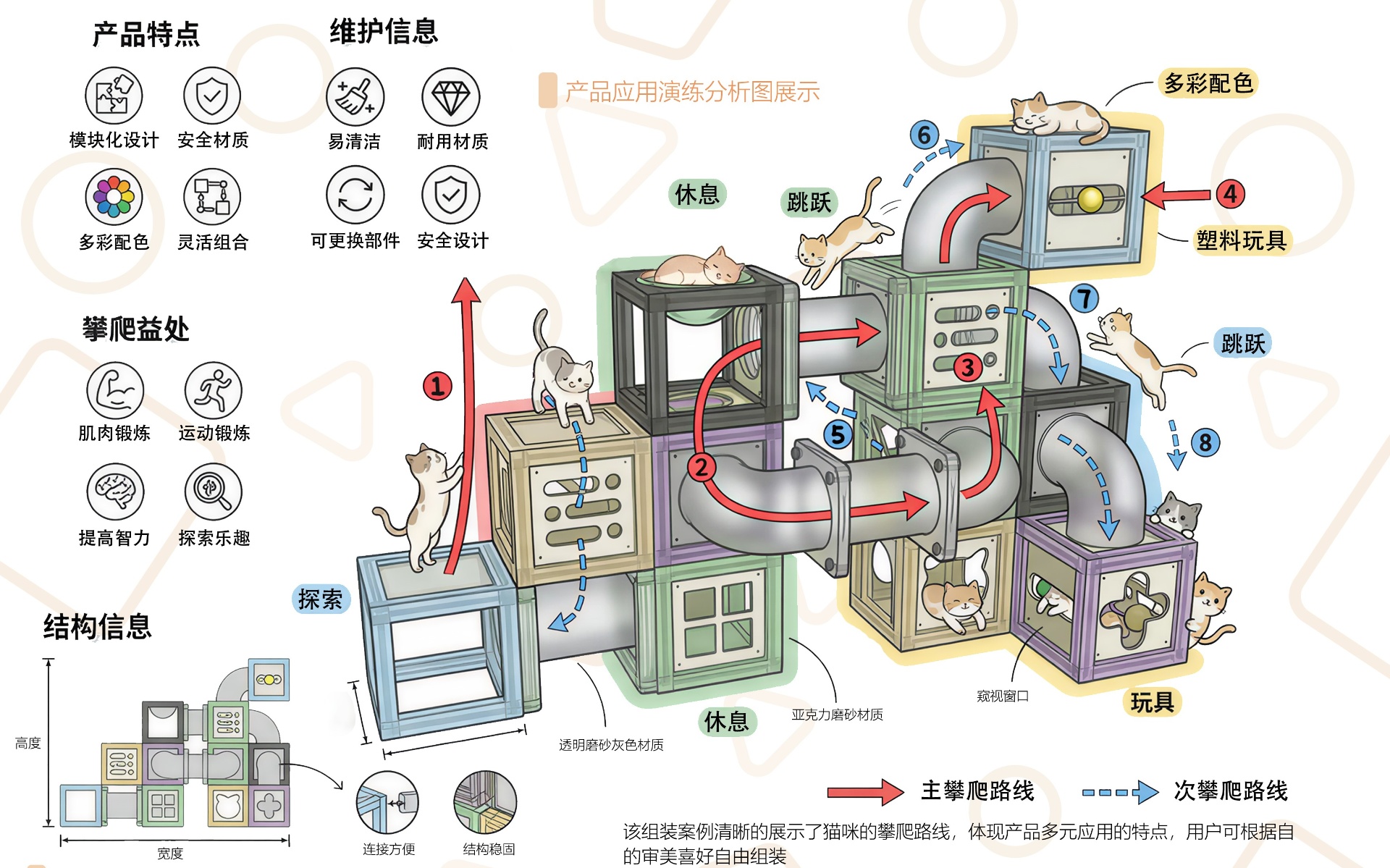
Nowadays, cat trees often suffer from problems such as flimsy materials, difficulty in cleaning, and poor quality. These issues also stem from cats' natural behaviors, including jumping, balancing, disliking sharp edges, hiding, climbing, napping, playing, and spying.
Product Design
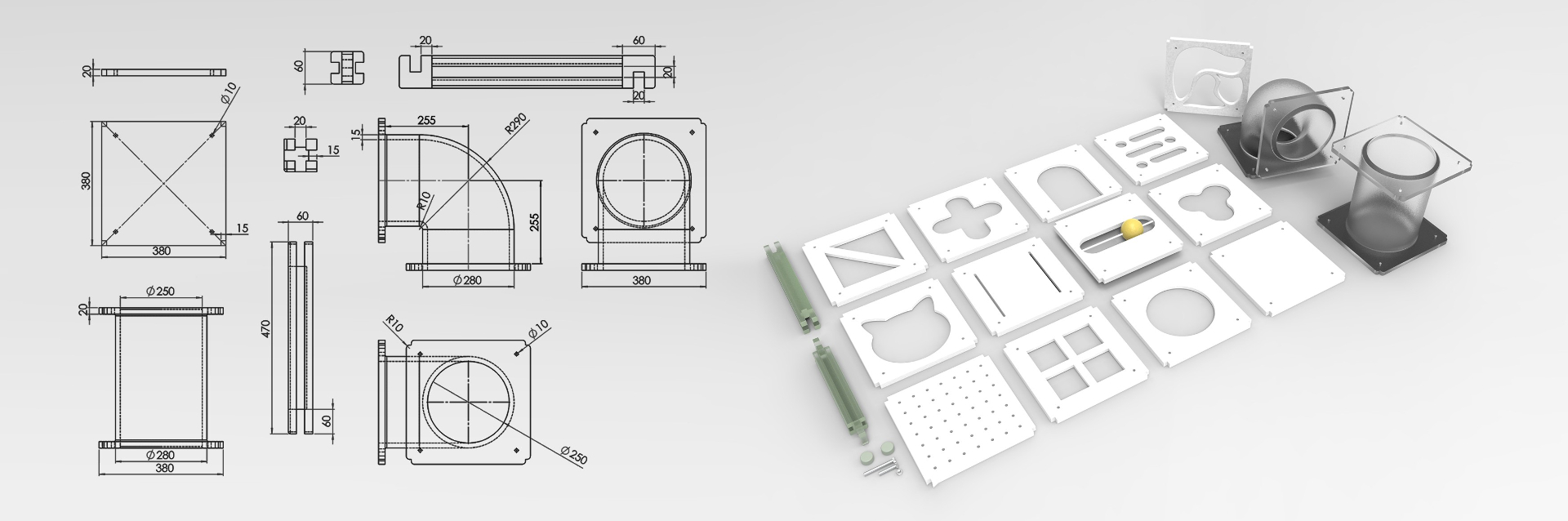
Users can purchase different quantities of parts and materials to assemble cat trees of varying sizes, depending on the size of their living space.
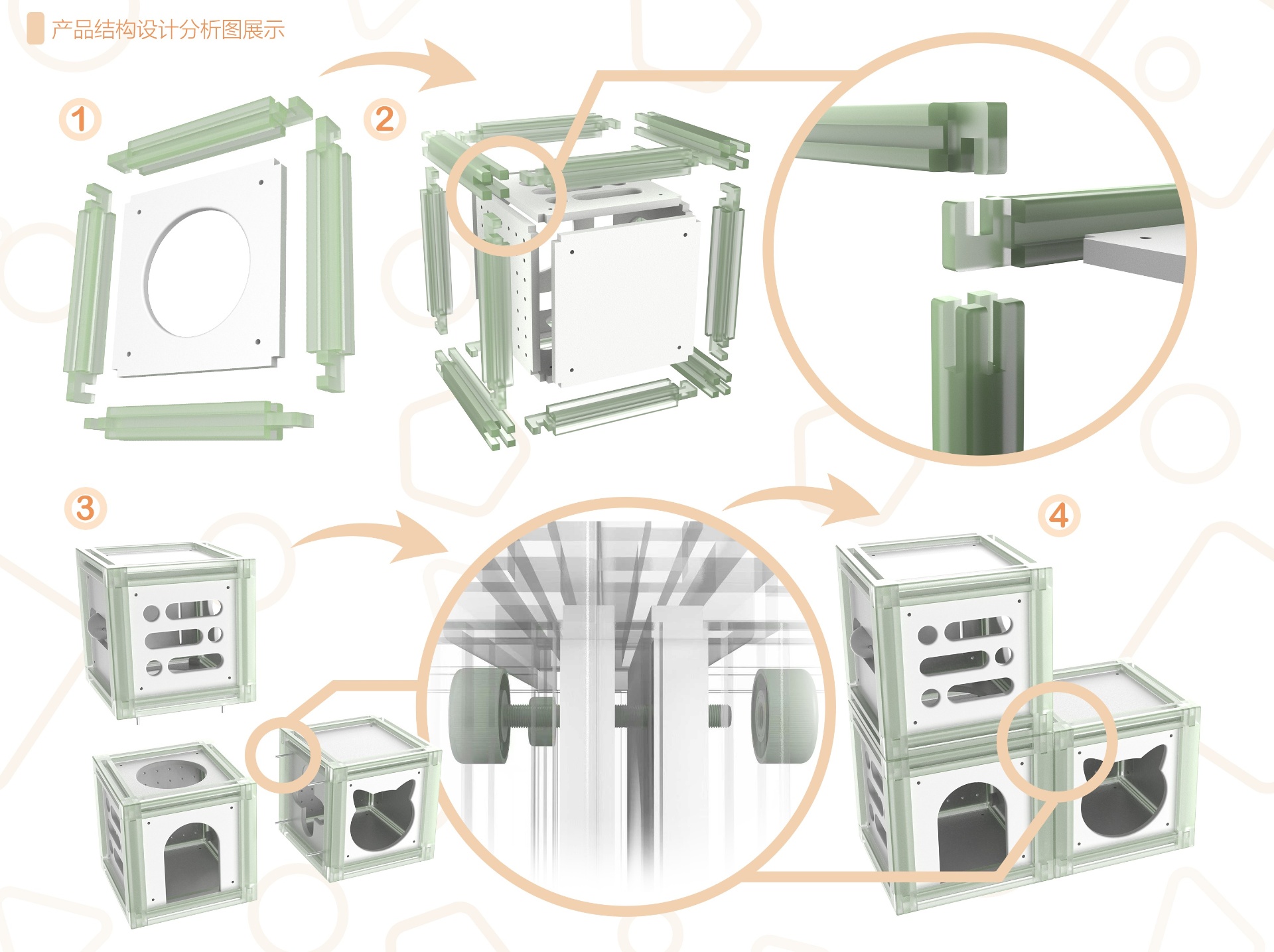
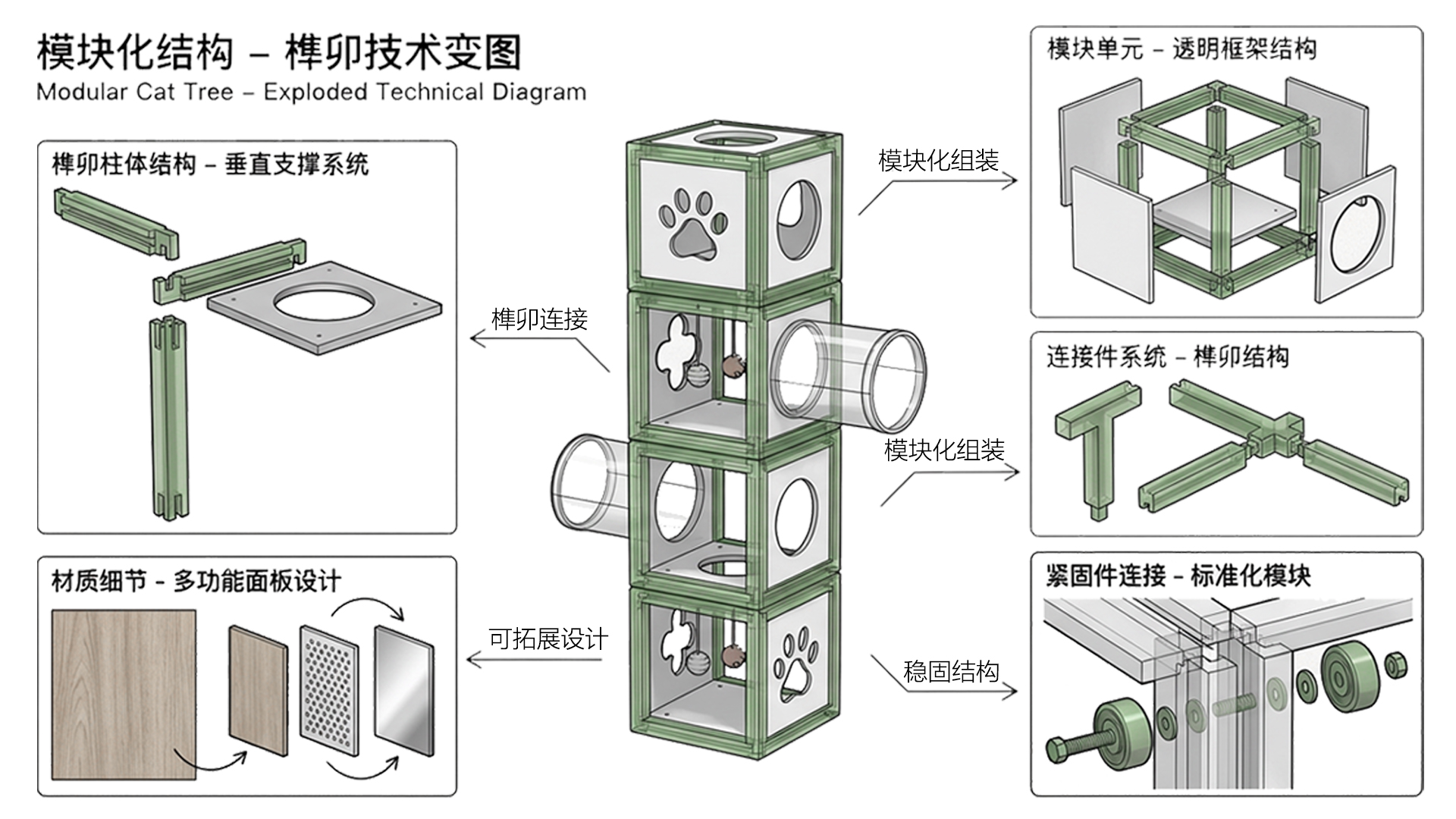
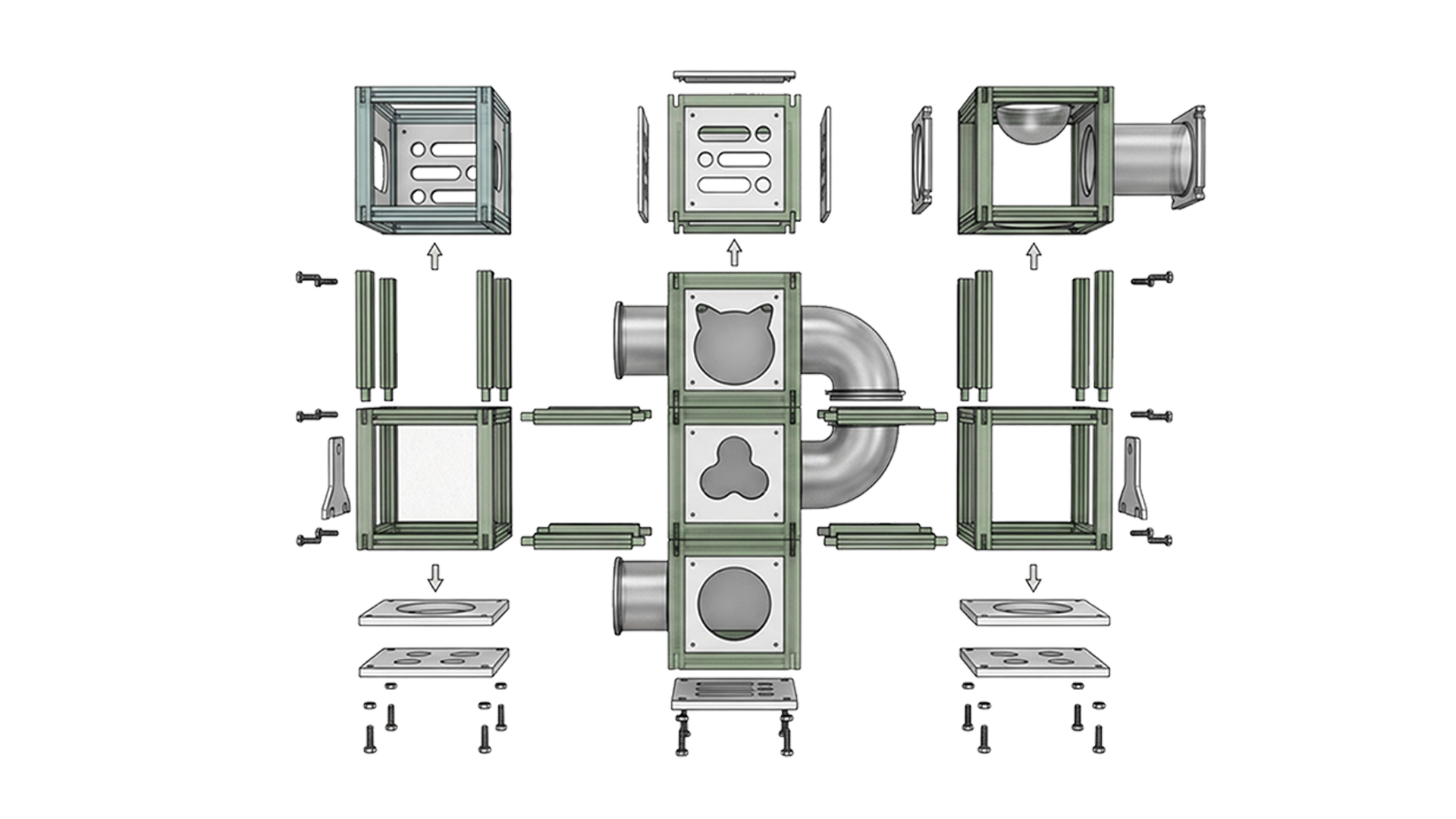
This product follows the design logic of "line to surface, surface to volume, and volume to volume combination," and utilizes the assembly principle of mortise and tenon joints to freely change the shape of the product, achieving diverse assembly experiences.
Product Showcase
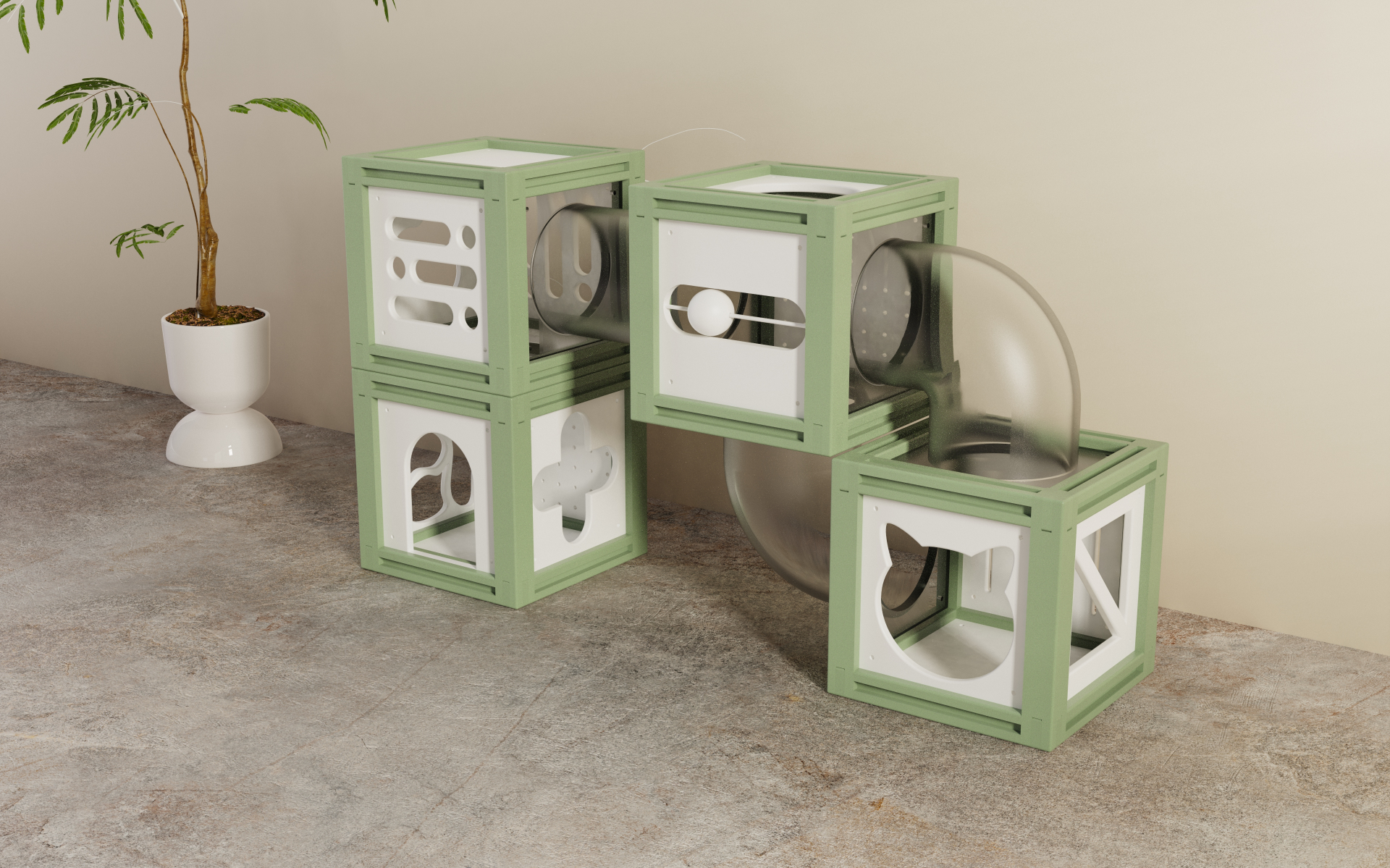
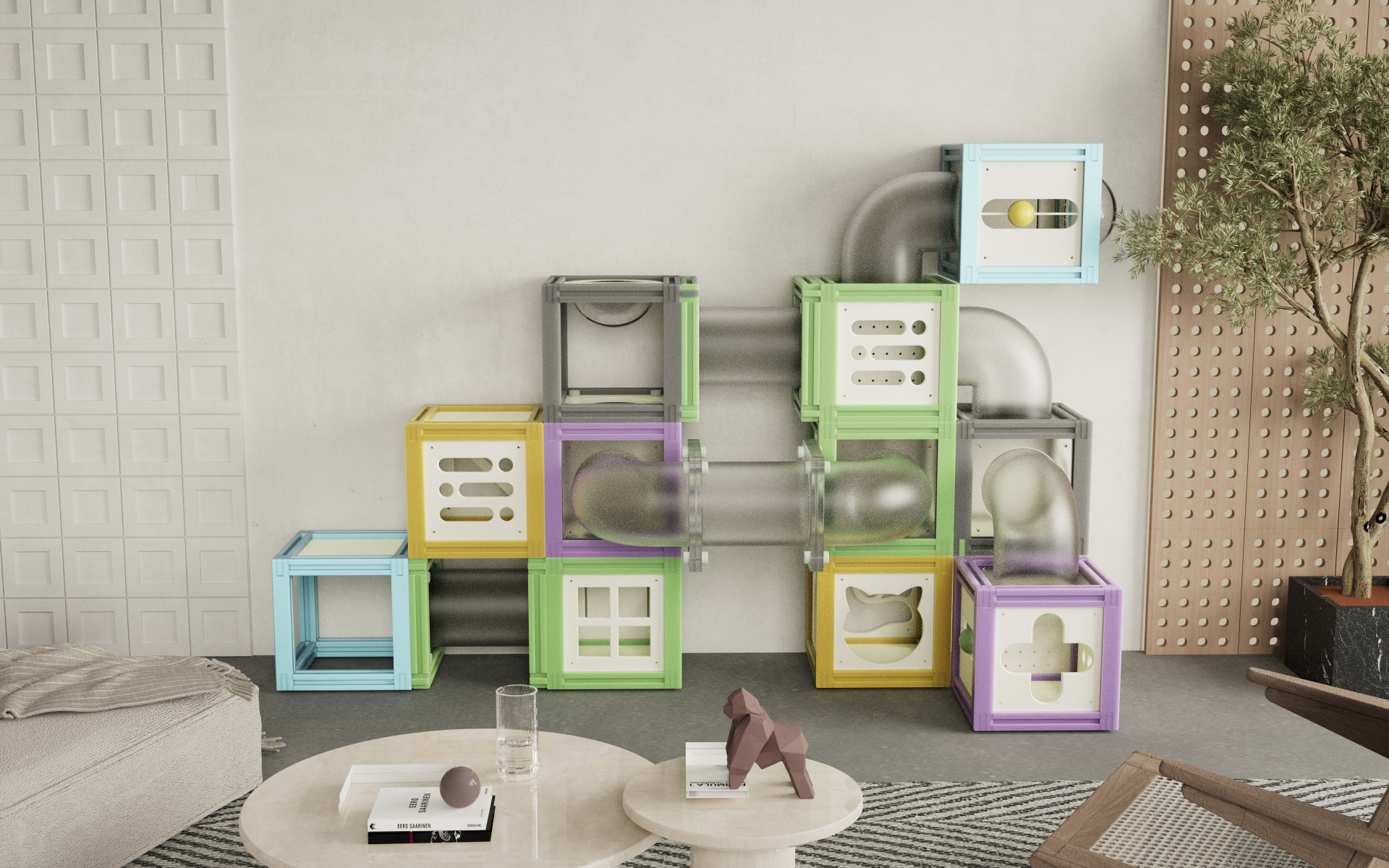
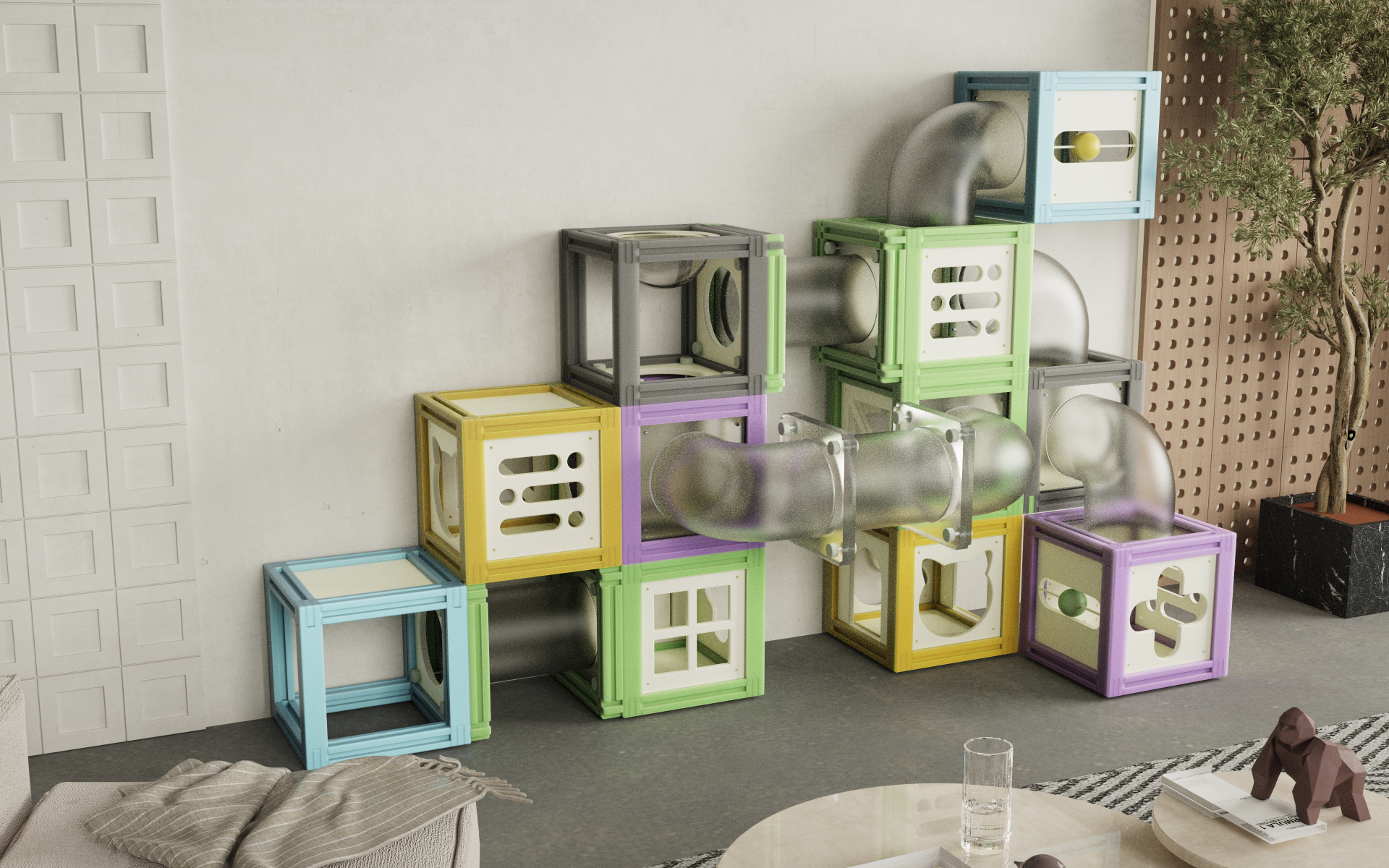
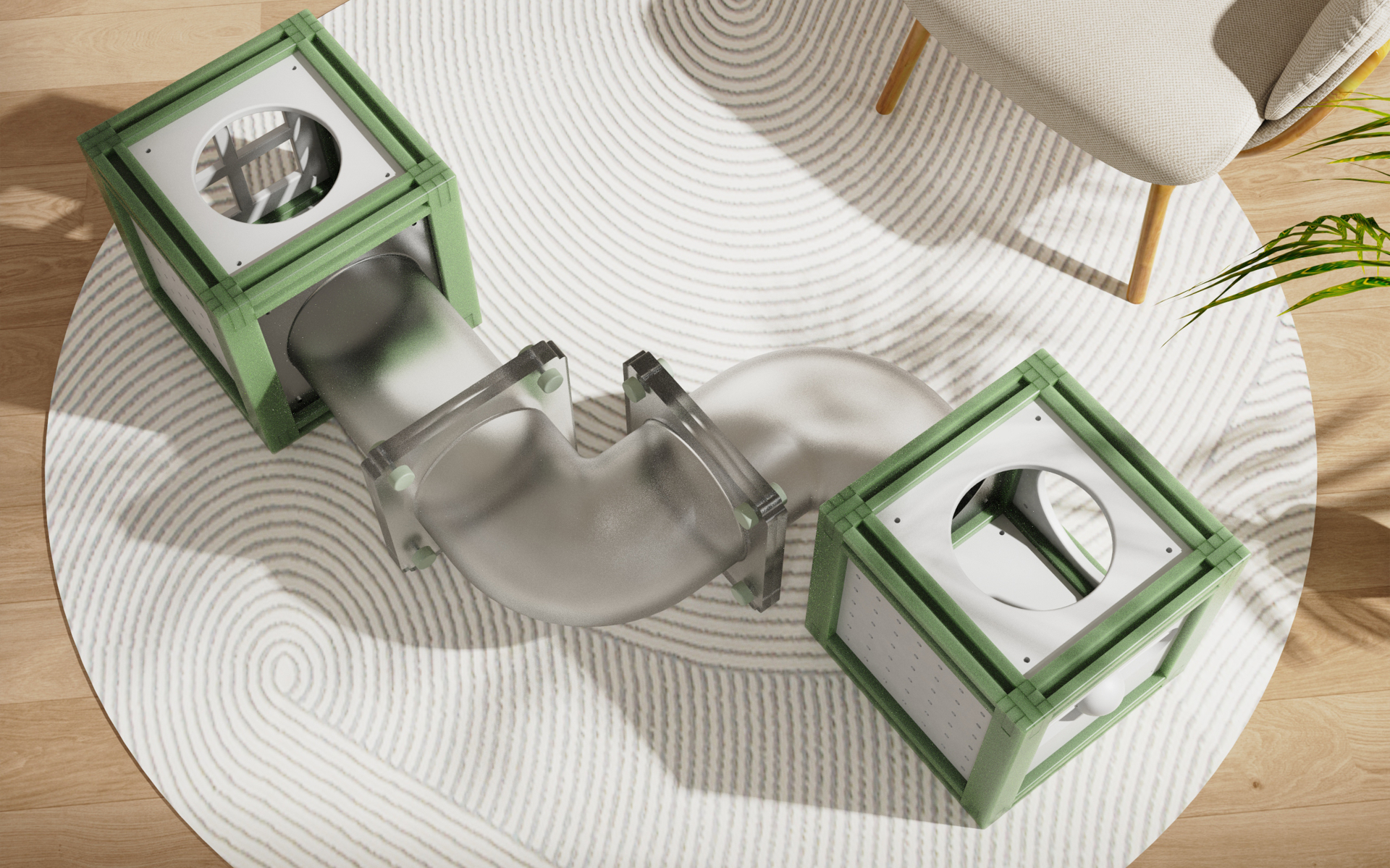
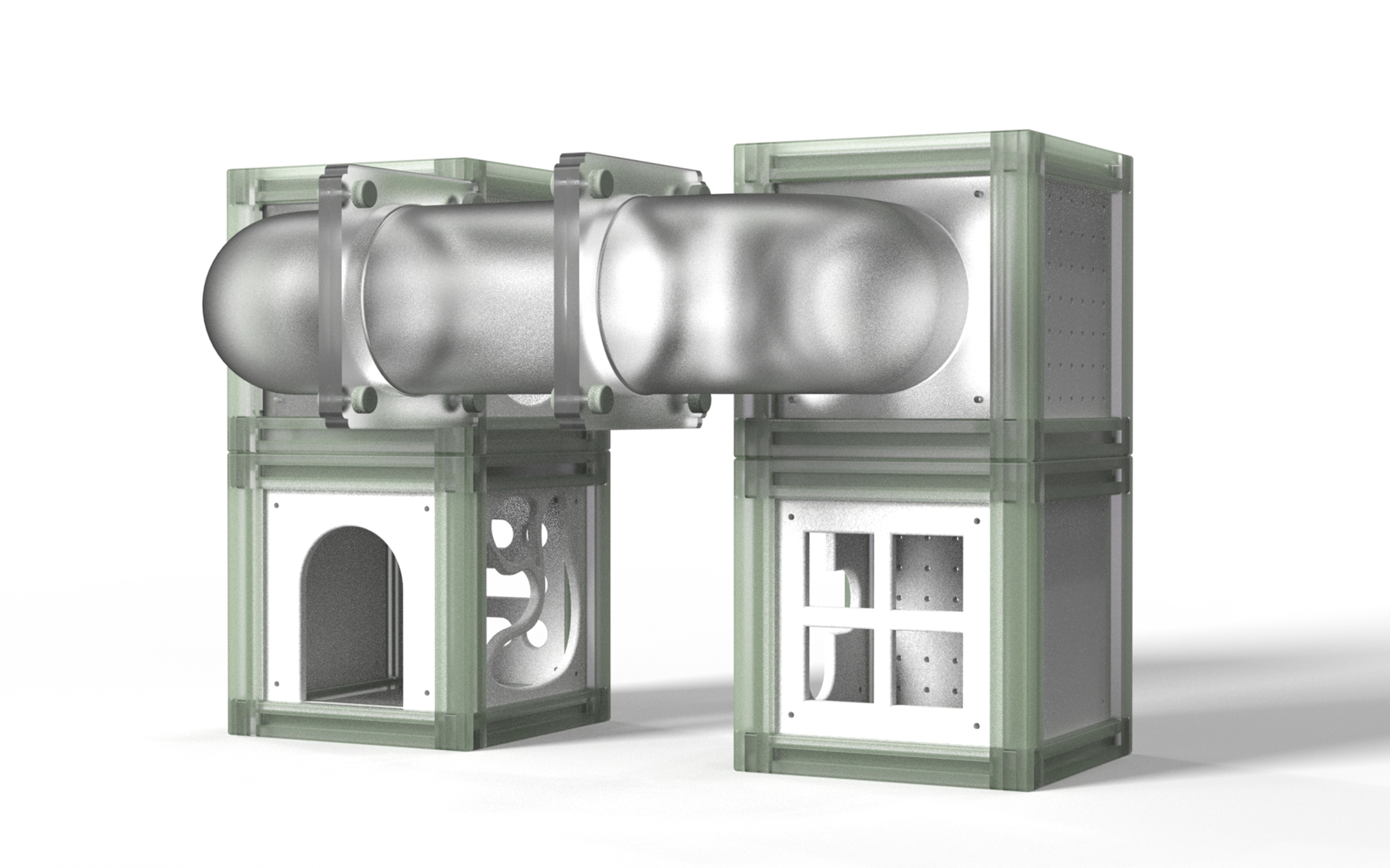
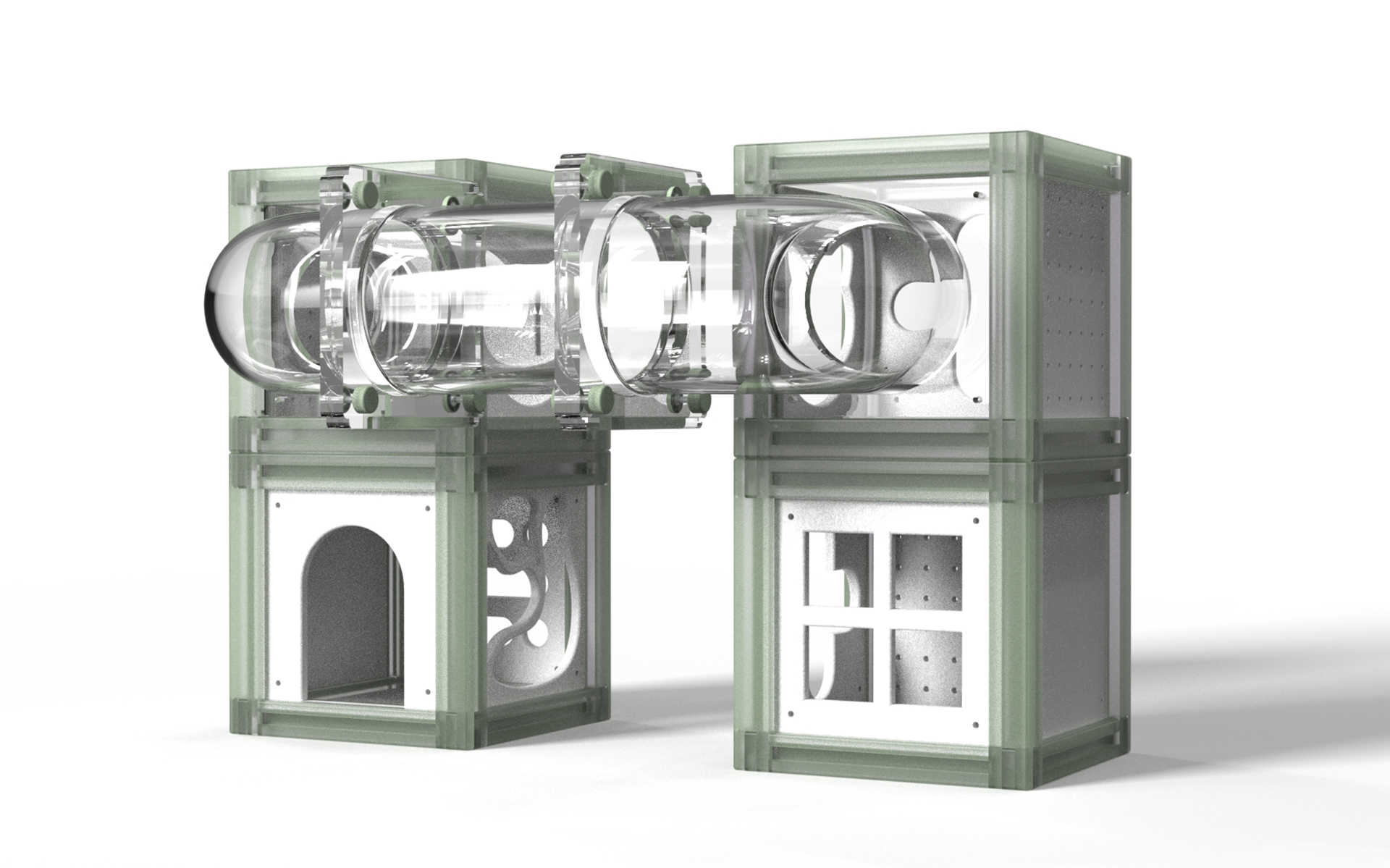
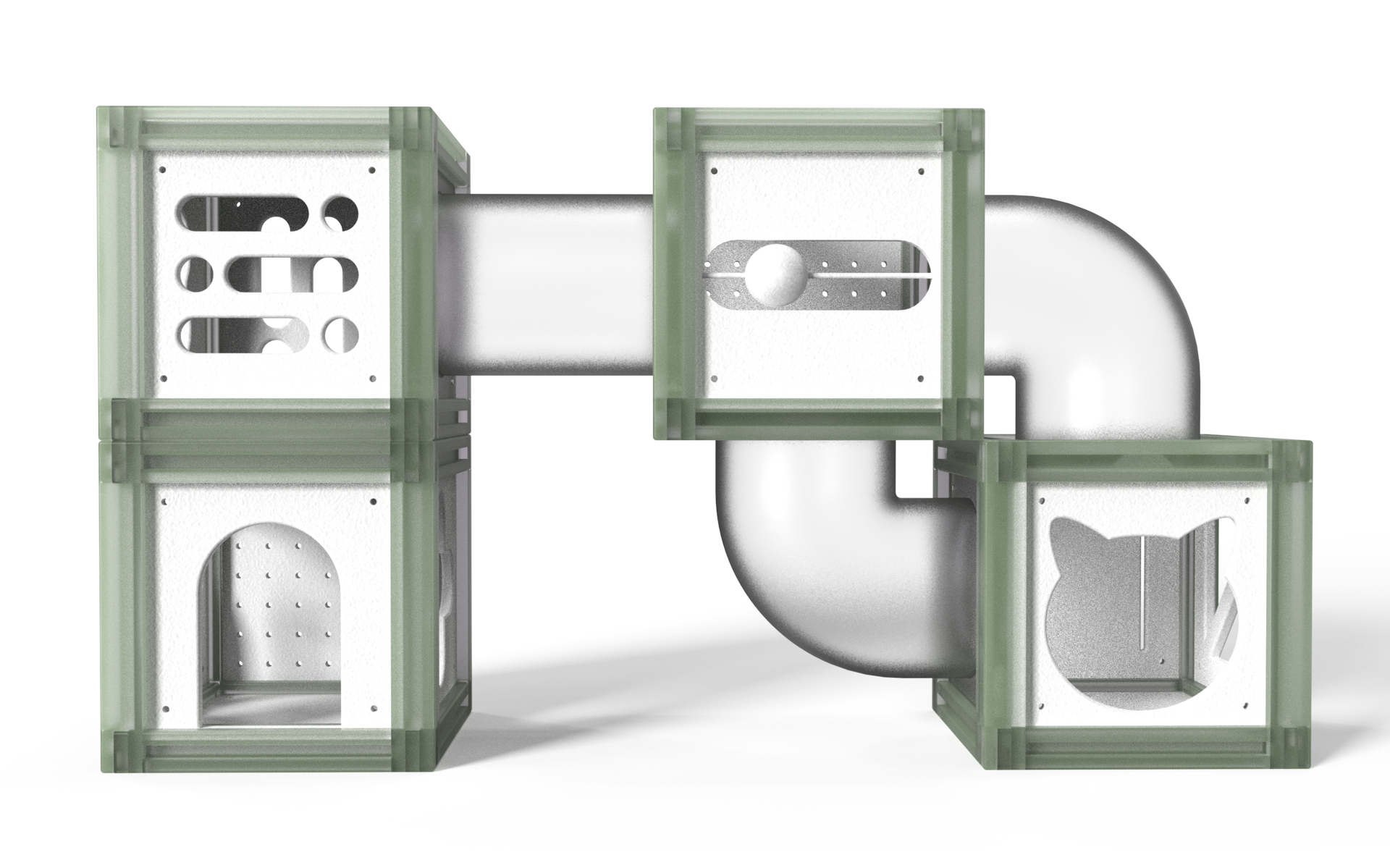
Among urban pet owners, renters in small apartments and young working professionals account for an increasingly large proportion. However, traditional cat trees are often "bulky, taking up space, requiring a lot of tools to install, and impossible to reassemble after moving." This cat tree adopts a modular assembly structure, targeting pet owners in small urban apartments (especially renters and young working professionals). It is a piece of cat furniture that emphasizes "easy assembly, flexible adaptation, and lightweight portability," and its core focus is on balancing "cat behavior needs, user ease of use, and adaptability to home space."